Automating ZFS Replication Between Proxmox Servers Using Syncoid

⏱ 4 min read

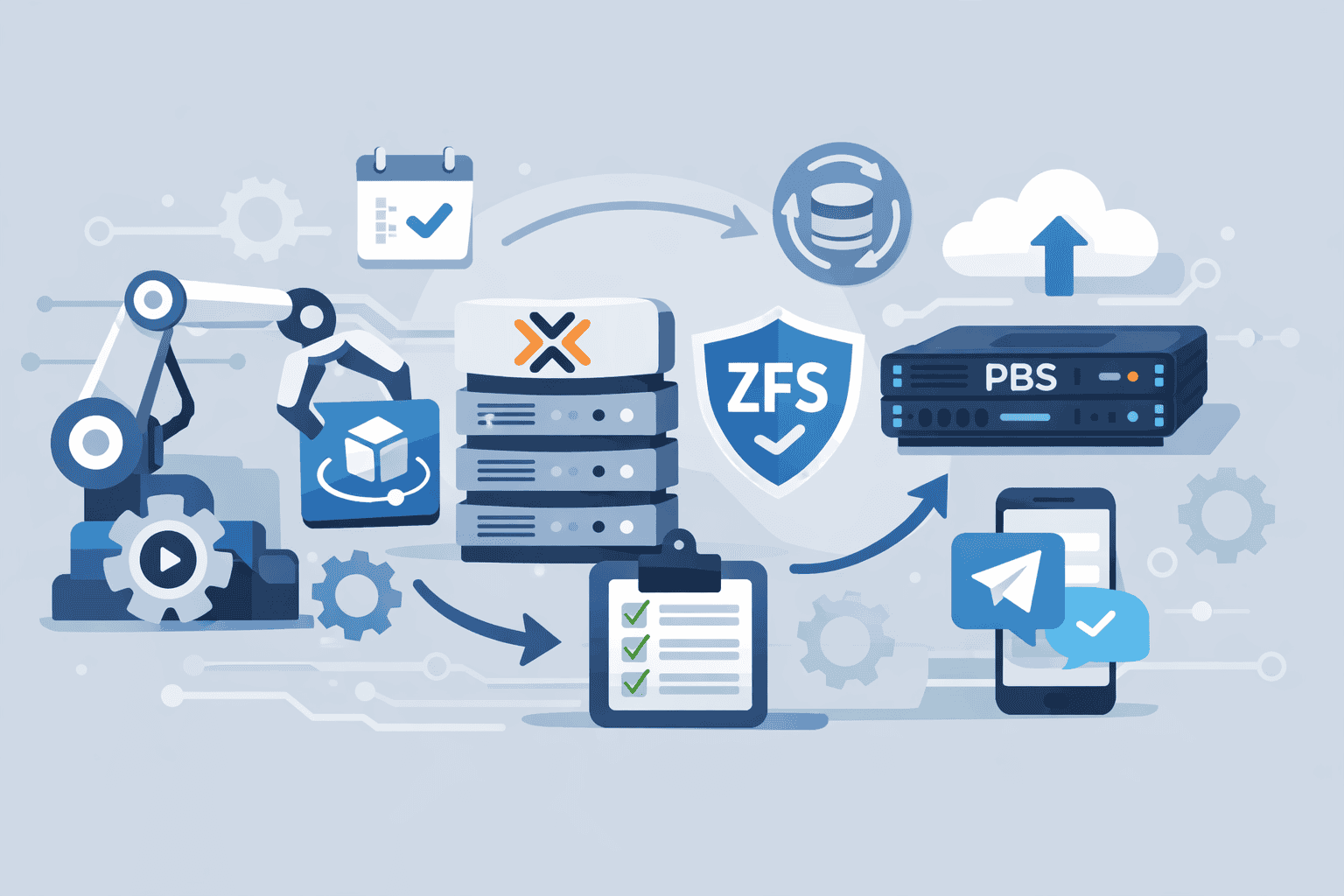
In Part 2, we built a professional homelab storage layout: Today, we take the next step: Replicating ZFS datasets from your HDD mirror to Proxmox Backup Server (PBS) using Syncoid, ensuring off-host redundancy and automated backup workflows. Replication is critical: it protects against disk failure, accidental deletion, and data corruption — all without touching your …

Read more

Testing a Full Proxmox Disaster Recovery Scenario Step-by-Step

⏱ 4 min read

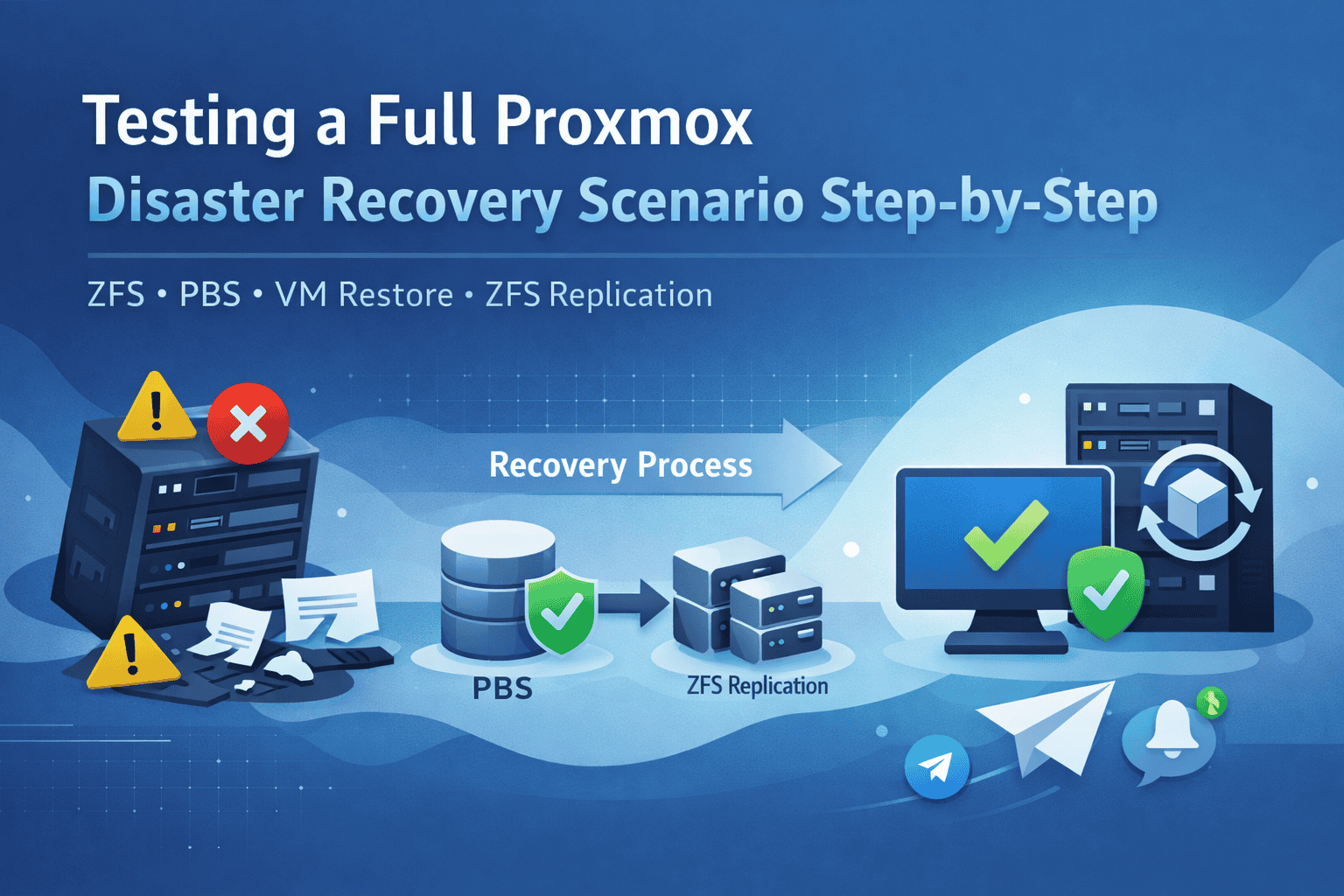
Why Disaster Recovery Testing Matters If you think your backups are reliable, think again. Many homelab users make the critical mistake of assuming that “everything is safe” until disaster strikes. Without testing, you can’t be sure that: This post walks you through a full disaster recovery (DR) simulation for your Proxmox + ZFS + PBS …

Read more

Zero‑Drama Proxmox Dataset Backups with PBS

⏱ 5 min read

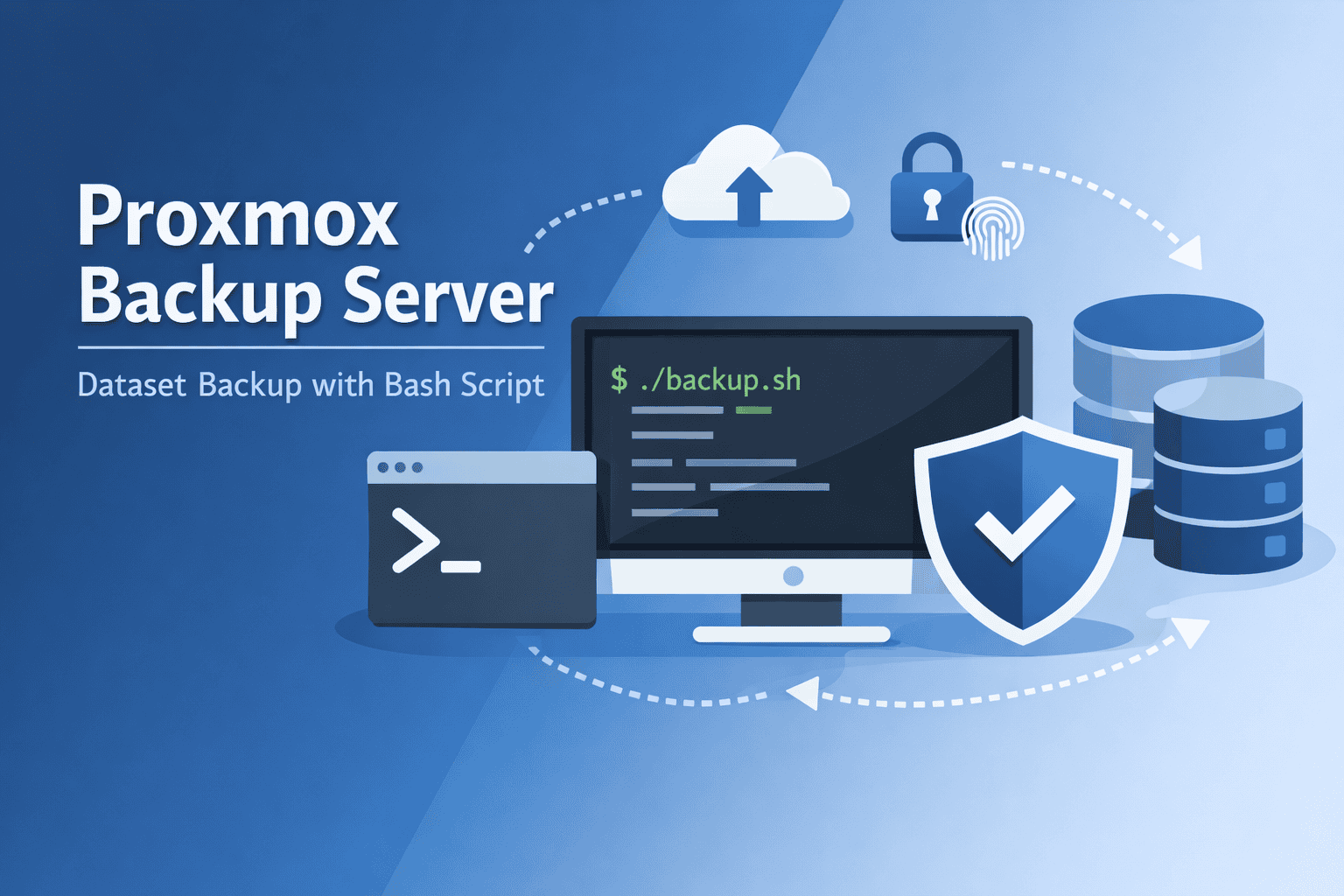
Update:Consider reading our latest series about proxmox with pbs:The Ultimate Proxmox Backup Architecture Series If you run Proxmox in production, you already know the real enemy isn’t disk failure — it’s half‑finished backups, overlapping jobs, and sleeping hosts in the middle of a snapshot. This post walks through a battle‑tested Bash script I use to …

Read more

How to Create an API Token in Proxmox Backup Server (PBS)

⏱ 3 min read

If you’re automating backups, writing scripts, or integrating Proxmox Backup Server (PBS) with other systems, API tokens are the correct way to authenticate — not passwords. This guide shows exactly how to create an API token in PBS, why you should use one, and how to use it safely with proxmox-backup-client. Simple, secure, and production-ready. …

Read more

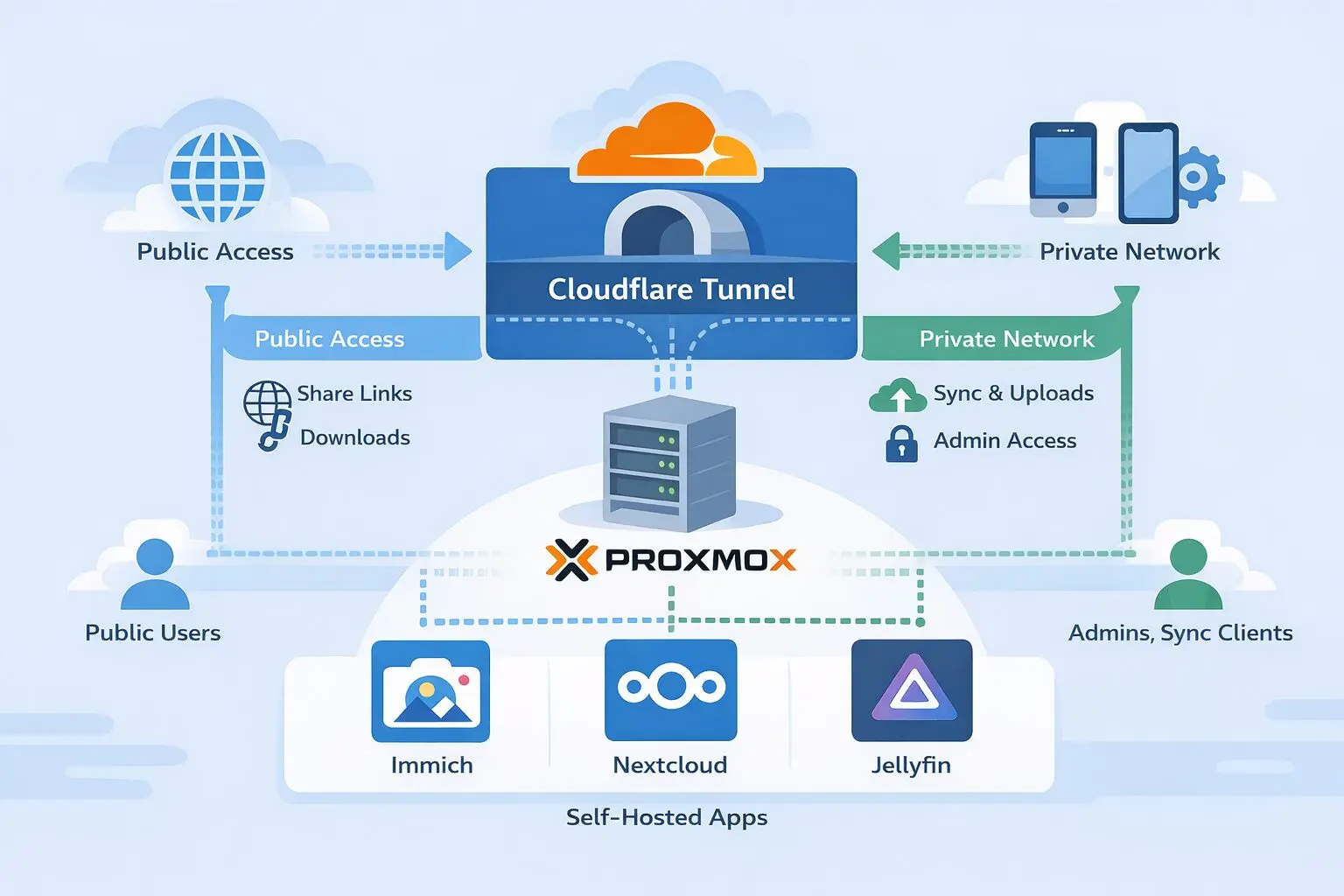
The Ultimate Self-Hosting Architecture: Cloudflare, Tailscale & Proxmox (Without Breaking Things)

⏱ 3 min read

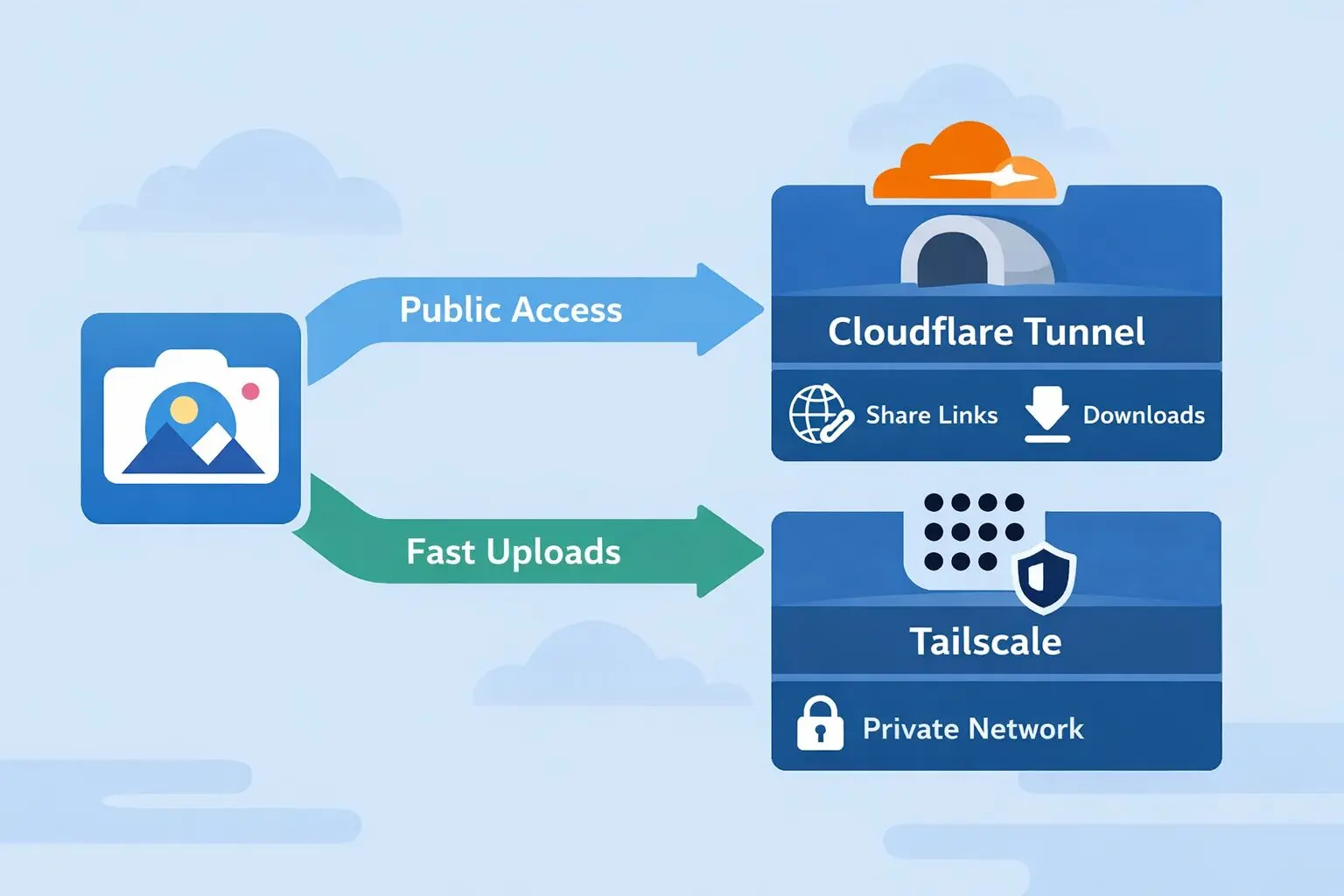
Self-hosting doesn’t usually fail because of bad software. It fails because everything is forced through the wrong network path. I learned this the hard way—first with Immich uploads, then with Nextcloud sync issues, and finally with Jellyfin buffering that made Netflix look fast. This post is the architecture I ended up with after fixing all …

Read more

Jellyfin, Cloudflare, and Tailscale: Stop Buffering and Streaming Headaches

⏱ 3 min read

This post is part of the Self-Hosting Without Pain seriesA real-world guide to running Immich, Nextcloud, Jellyfin, and more using Cloudflare, Tailscale, and Proxmox — without broken uploads, buffering, or exposed ports. I love Jellyfin. Self-hosted streaming is amazing — no subscriptions, no corporate “features,” just your media, your rules. But the first time I …

Read more

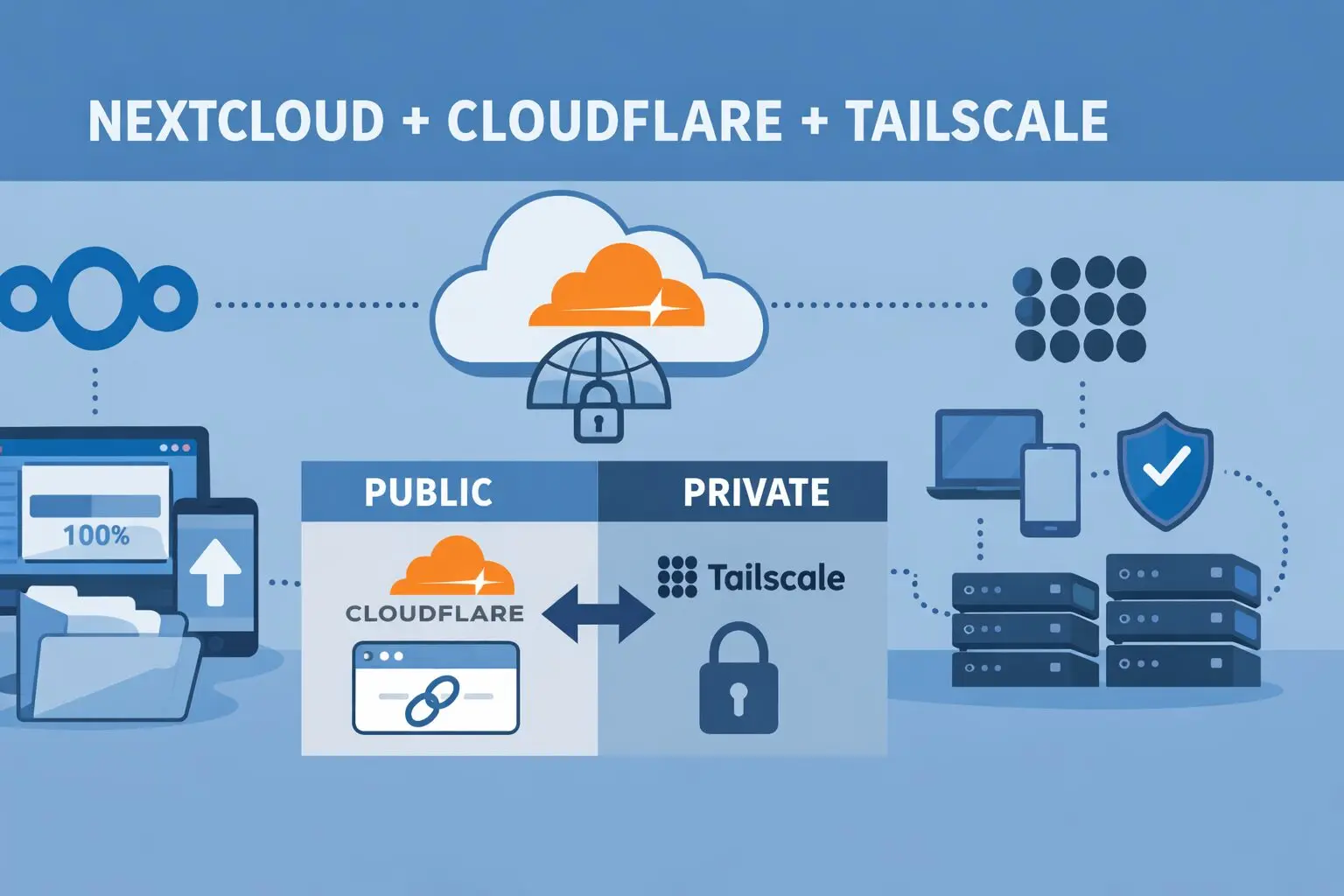
Nextcloud, Cloudflare, and Tailscale: How I Finally Stopped Fighting Upload Limits

⏱ 4 min read

This post is part of the Self-Hosting Without Pain seriesA real-world guide to running Immich, Nextcloud, Jellyfin, and more using Cloudflare, Tailscale, and Proxmox — without broken uploads, buffering, or exposed ports. If you self-host Nextcloud long enough, you eventually hit that moment. You upload a big file.It stalls at 98%.You retry.It fails again. And …

Read more

Immich Upload Limit Fix: Cloudflare Tunnel + Tailscale on Proxmox (Best Practice)

⏱ 5 min read

This post is part of the Self-Hosting Without Pain seriesA real-world guide to running Immich, Nextcloud, Jellyfin, and more using Cloudflare, Tailscale, and Proxmox — without broken uploads, buffering, or exposed ports. I thought Cloudflare Tunnel was perfect… until Immich broke. I self-host Immich on Proxmox.It’s fast, clean, and honestly one of the best Google …

Read more

How to Optimize WordPress Autoloaded Options for Faster Performance – 2026

⏱ 3 min read

When it comes to WordPress performance, most site owners focus on caching, image optimization, or using a CDN. But there’s another hidden factor that can slow down your site: autoloaded options in the WordPress database. In this guide, we’ll explain what autoloaded options are, why they matter, and how you can safely optimize them to …

Read more

Windows 11/ XP on KVM/QEMU with Virt‑Manager (2026 Edition): A Complete, Copy‑Paste Guide

⏱ 8 min read

Last tested: Proxmox 9.0.3 / Kernel 6.14.8 If you’ve ever tried installing Windows 11 inside a Linux VM, you probably discovered something quickly: It’s not like installing Windows 10. Instead of a simple setup, you suddenly face: I went through all of that myself. After testing multiple configurations across laptops, Proxmox servers, and bare-metal Linux …

Read more